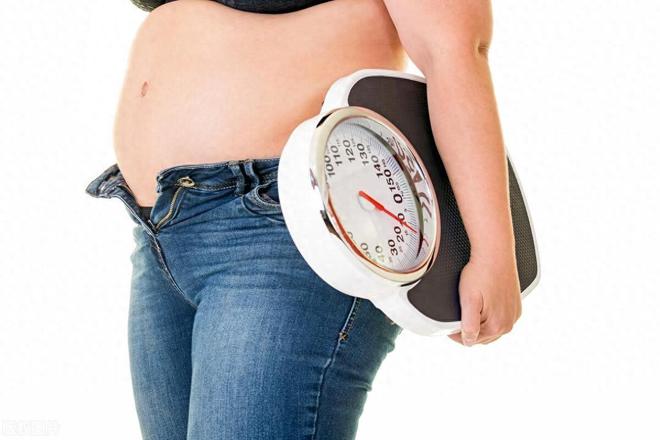
Losing weight, have you identified the target correctly? The essence of weight loss lies in reducing body fat, not muscle mass.
Incorrect weight loss methods can lead to muscle loss, which slows down metabolism and makes it easier to accumulate fat. Fat reduction, on the other hand, involves decreasing excess body fat, reducing the risk of chronic diseases such as cardiovascular diseases and diabetes, and making our bodies lighter and more agile.
5 ways to shed excess fat while retaining more muscle:
1. Control the duration of aerobic exercise
Aerobic exercises, such as jogging, swimming, and cycling, significantly improve cardiorespiratory function and burn fat. However, prolonged aerobic exercise can lead to excessive fatigue and even muscle breakdown, affecting the basal metabolic rate.
Studies have shown that for most fitness enthusiasts, engaging in 30 to 50 minutes of aerobic exercise per session is appropriate. Excessive exercise duration may trigger a stress response, leading to the secretion of excessive cortisol. This hormone, when present at high levels over the long term, promotes muscle breakdown and fat accumulation.
2. Opt for High-Intensity Interval Training (HIIT)
High-Intensity Interval Training, or HIIT, alternates between short periods of intense exercise and brief rest, rapidly enhancing cardiorespiratory function and accelerating metabolism in a short time.
For example, performing a 20-second all-out sprint followed by a 10-second rest, repeating this cycle, can achieve the effects of traditional aerobic exercise in dozens of minutes within just 10 minutes.
This training method allows for efficient fat burning while effectively exercising muscles, preventing muscle loss. However, this training method requires individuals with a certain level of fitness to handle it. If you are a beginner in fitness, it is recommended to start with low-intensity exercises and try this high-intensity training after building a certain level of physical fitness.
3. Incorporate resistance training
Resistance training includes exercises such as bench presses, overhead presses, deadlifts, push-ups, and squats, which stimulate muscle growth and increase muscle strength and endurance. Increased muscle mass helps raise the basal metabolic rate, allowing the body to burn more calories even at rest.
We can maintain an alternating training schedule of one day of aerobic exercise or one day of strength training, or perform a set of strength training followed by aerobic exercise. This approach helps retain muscle mass while shedding more fat.
4. Supplement with high-quality protein, not just vegetables
Long-term consumption of only vegetables can lead to nutritional imbalances, slowed metabolism, muscle loss, and unsustainable weight loss results. Chicken breast, fish and shrimp, and legumes are all rich in high-quality protein, which is an essential source of nutrition for muscle repair and growth.
In every 100 grams of chicken breast, the protein content is as high as approximately 20 grams. Fish and shrimp not only contain high-quality protein but also unsaturated fatty acids that are beneficial to the body, making them suitable for consumption during weight loss periods. To meet the body’s protein needs, it is essential to supplement each meal with a fist-sized portion of high-protein food.
Ensure adequate rest and avoid overtraining.
Adequate rest allows the body to recover from the fatigue of training, resulting in better performance in the next session. Overtraining can not only affect the effectiveness of training but may also lead to decreased immunity and increased risk of injury.
We should reasonably plan our training schedule, allocating 1-2 days of rest per week, and not exceeding 90 minutes of workout time per session, to provide the body with sufficient rest and maximize the benefits of each training session.