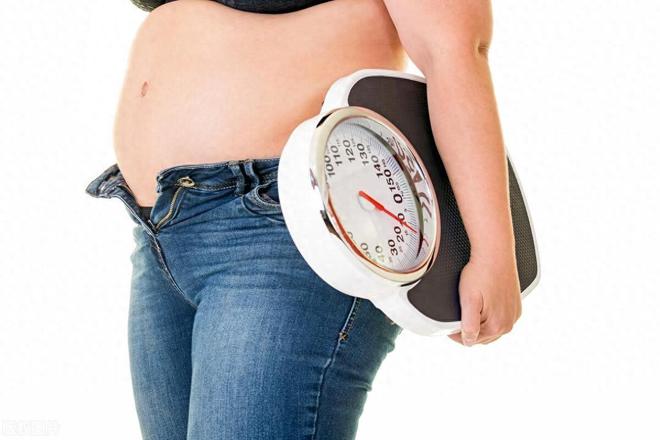
Many individuals with obesity, often referred to as ‘lazy cancer’ patients, struggle with the determination to lose weight and find it difficult to maintain a consistent exercise routine, leading to a persistent inability to slim down. Today, we share a fitness activity suitable for most weight loss beginners and those with larger body sizes, which is much easier to stick with than running.
Although running is a decent fat-burning exercise, many obese individuals have poor physical endurance due to a lack of regular exercise, making it hard to persist with running. The goal of running several kilometers every day can be a torment for both body and mind, with many giving up after just a few days.
So, what exercise is more suitable for weight loss beginners? The answer is brisk walking. Yes, you heard it right, brisk walking is an underestimated fat-burning exercise. While it may not burn calories as efficiently as running, it is easier to maintain, and the goal of walking 4-5 kilometers a day is more achievable than running the same distance.
The intensity of brisk walking is lower than running. By maintaining a good rhythm, one can burn around 320 calories per hour, compared to about 550 calories burned by jogging for an hour. While weight loss beginners may find it hard to run for more than half an hour, they can complete a daily total of one hour of brisk walking exercise (which can be divided into two 30-minute sessions).
Therefore, brisk walking is an underestimated fat-burning exercise that is much easier than running and suitable for those without a fitness foundation to exercise.
Of course, to walk effectively, one must master the correct posture and method:
1. While walking briskly, the head should be kept upright, eyes looking straight ahead, avoiding looking down or up, to maintain the natural curvature of the cervical spine and reduce neck pressure.
2. The abdomen should be slightly tightened, shoulders relaxed and下沉, without shrugging, with arms swinging naturally, at a moderate amplitude, approximately at a 45-degree angle to the body.
3. When walking briskly, each step should land on the heel first, then quickly transition to the ball of the foot, propelling the body forward with the push from the foot.
4. While walking briskly, inhale every 2-3 steps and exhale every 2-3 steps, providing the body with ample oxygen supply and preventing fatigue and discomfort due to oxygen deprivation.
For the elderly or those with weaker bodies, it may be necessary to reduce the pace to suit their physical conditions. For those who want to lose weight through brisk walking, increasing the stride and swing amplitude can increase the exercise intensity.
5. During brisk walking exercises, we can listen to music with headphones, which can make time pass more quickly.
6. While losing weight with brisk walking, it is also important to manage diet and control daily calorie intake, such as reducing calorie intake by 400-500 calories compared to usual, which can increase the body’s calorie deficit and double the fat-burning efficiency.
As a specialized translator in the fitness field, I am dedicated to providing accurate and professional translations for fitness-related content. My expertise ensures that your fitness materials are conveyed precisely and effectively, enhancing the understanding and engagement of your audience.
Whether it’s translating fitness program descriptions, workout instructions, or nutritional advice, I strive to maintain the integrity of the original message while adapting it to the target language. My translations are not only linguistically accurate but also culturally sensitive, ensuring that the essence of the fitness content is preserved.
I am well-versed in the latest fitness trends and terminologies, which allows me to translate complex fitness concepts into clear and concise language. My goal is to bridge the gap between fitness professionals and their clients, making fitness knowledge accessible and actionable.
For any fitness-related translation needs, you can rely on my expertise to deliver high-quality, culturally appropriate translations that meet your specific requirements.