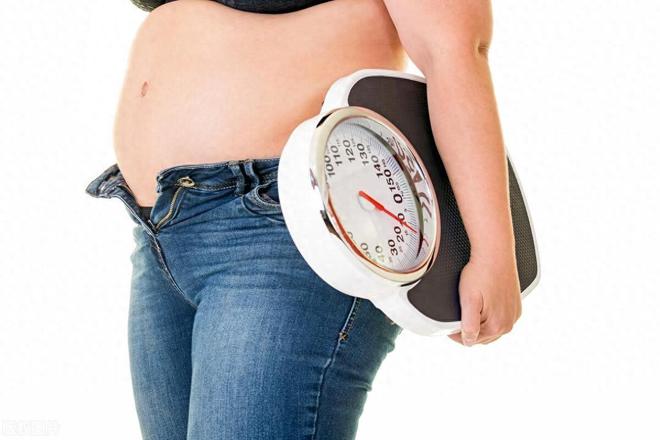
Have you chosen the right method for weight loss? I successfully lost 30 pounds, dropping from 143 to 113 pounds. I did not opt for extreme weight loss methods, and there has been no rebound after slimming down. I have summarized 6 fat reduction experiences, hoping to help those who want to lose weight.
1. Use an app to record daily calorie intake
Keeping track of your daily diet can monitor your caloric intake and prevent unknowing caloric surplus. It is ideal to control daily caloric intake to about 80% of the usual amount. We should reduce the intake of high-calorie, high-fat, and high-sugar foods and increase the proportion of vegetables, fruits, and high-quality proteins.
For example, replacing fried foods with steamed fish and white rice with brown rice can effectively reduce calorie intake and alleviate the body’s burden.
2. Eat only three meals a day, avoiding afternoon tea, late-night snacks, and snacks
Instead of irregular eating, have three regular meals to avoid hunger and overeating at other times. Those delicious snacks are often stumbling blocks on the road to fat reduction. High-calorie snacks such as chips, chocolate, egg tarts, and beverages should be avoided. Additionally, avoiding afternoon tea and late-night snacks can make you 90% successful in losing weight.
3. Change the order of eating
Many people eat their favorite foods first during meals, which are often high in calories and not conducive to weight loss. Research has found that planning the order of eating can unconsciously reduce caloric intake and speed up weight loss.
First, drink a large glass of water before meals to replenish fluids and reduce hunger. Then, eat a portion of high-fiber vegetables, which can increase satiety and reduce the intake of subsequent high-calorie foods.
Next, consume high-protein foods such as meats, eggs, and legumes, and finally, eat the staple food, which can stabilize blood sugar levels and make it easier to control weight.
4. Do not eat within 4 hours before bedtime
Eating close to bedtime forces the digestive system to work overtime, which can interfere with the normal sleep rhythm and make it difficult to enter deep sleep. Eating before bed can also lead to caloric accumulation.
Research data indicates that people who persist in not eating within 4 hours before bedtime significantly improve their sleep quality, reducing the average time to fall asleep by 15 minutes and increasing deep sleep time by 20%. At the same time, their weight control effects are more ideal, with an average weight loss of 2-3 pounds per month.
5. Persist in exercise for more than half an hour each time
In the initial stage of exercise, the body mainly relies on glycogen for energy. Over time, about half an hour later, the proportion of fat burning gradually increases, and the efficiency of fat burning will be greatly improved.
Research indicates that engaging in aerobic exercises for over half an hour, such as jogging, swimming, aerobics, and skipping rope, can significantly increase the body’s metabolic rate, allowing the fat-burning process to continue for several hours or even longer.
Soaking feet for 20 minutes before sleep can alleviate muscle tension, reduce fatigue, and promote the expulsion of dampness and cold, causing the body to sweat and aiding in weight loss.
Studies have shown that individuals who consistently soak their feet for 20 minutes before sleep experience a noticeable improvement in sleep quality, which is beneficial for the body’s functional recovery and maintaining a robust metabolic level. For those with cold hands and feet, soaking can improve peripheral blood circulation, making it easier to fall asleep during winter.